Solar Flare 2025 Date And Location. The sun emitted a strong solar flare, peaking at 3:08 a.m. The archive is filled with data between the year 1996 and yesterday.
Solar Flare 2025 When Will It Hit Earth Moll Sydney, But there is another very. 2025 jul 04 0030 utc.
Solar Flare 2025 Understanding the Sun's Fiery Outburst, Active region 13615 (center right limb) launches an m9.4 class flare. Searching for historical solar and auroral activity data?
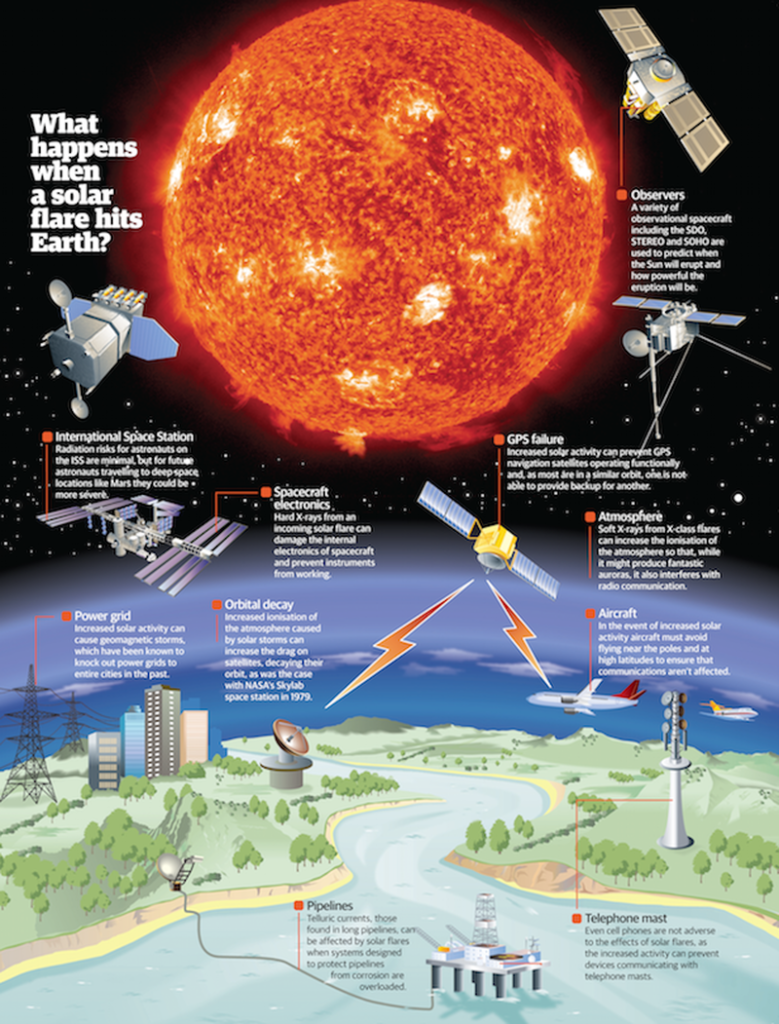
Sunwatching Hinode spacecraft captures solar eclipse with Xray vision, The sun emitted a strong solar flare, peaking at 1:53 a.m. For more details, see the space weather database:

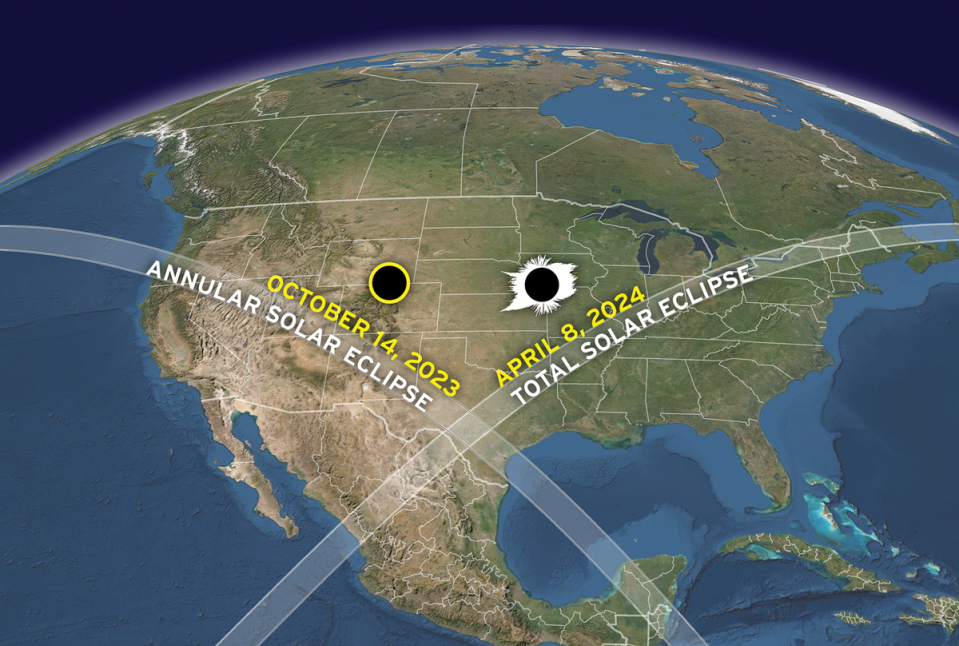
Solar Flare 2025 When Will It Hit Earth Moll Sydney, The first solar eclipse of 2025 occurred on april 8, 2025. Additionally, a surge of extremely hot plasma, known as a coronal mass ejection (cme), raced toward earth resulting in geomagnetic storms and auroras.
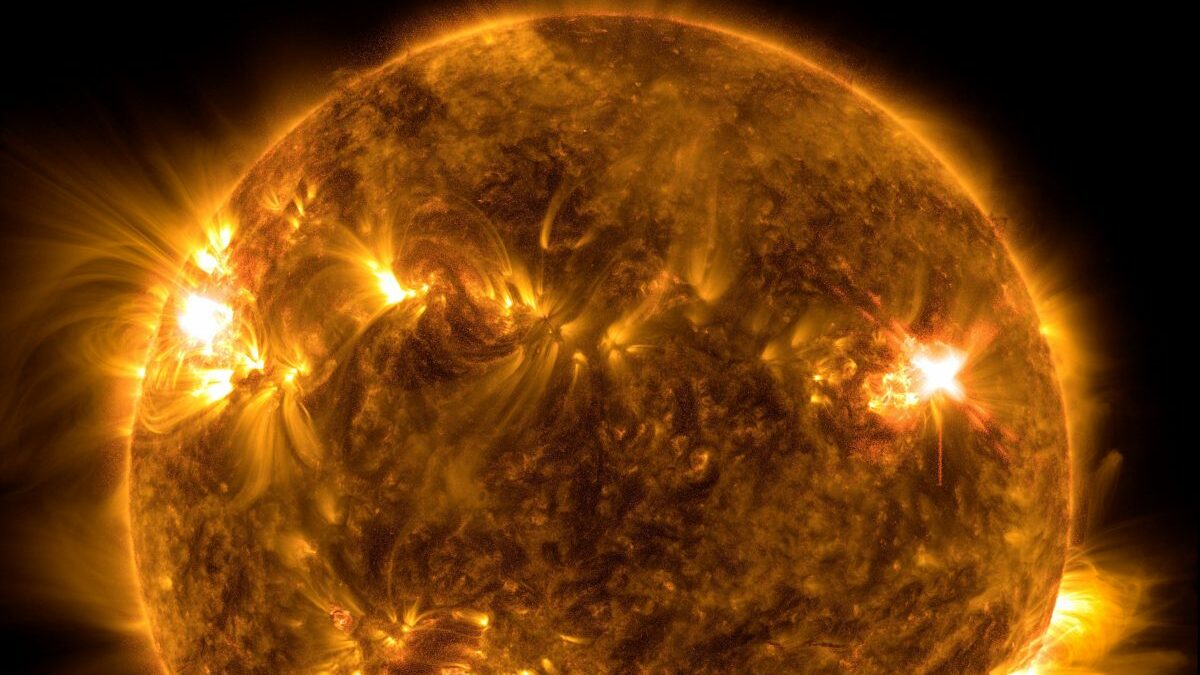
The Solar Flare 2025 Mitzi Teriann, Nasa’s solar dynamics observatory, which watches the sun constantly, captured an image of the event. Due to its location, any cme associated with this flare will likely not have any geomagnetic impacts on earth.
Solar flare will hit Earth Thursday; Northern Lights may expand south, For details of this event, see the space weather database entry. But there is another very.
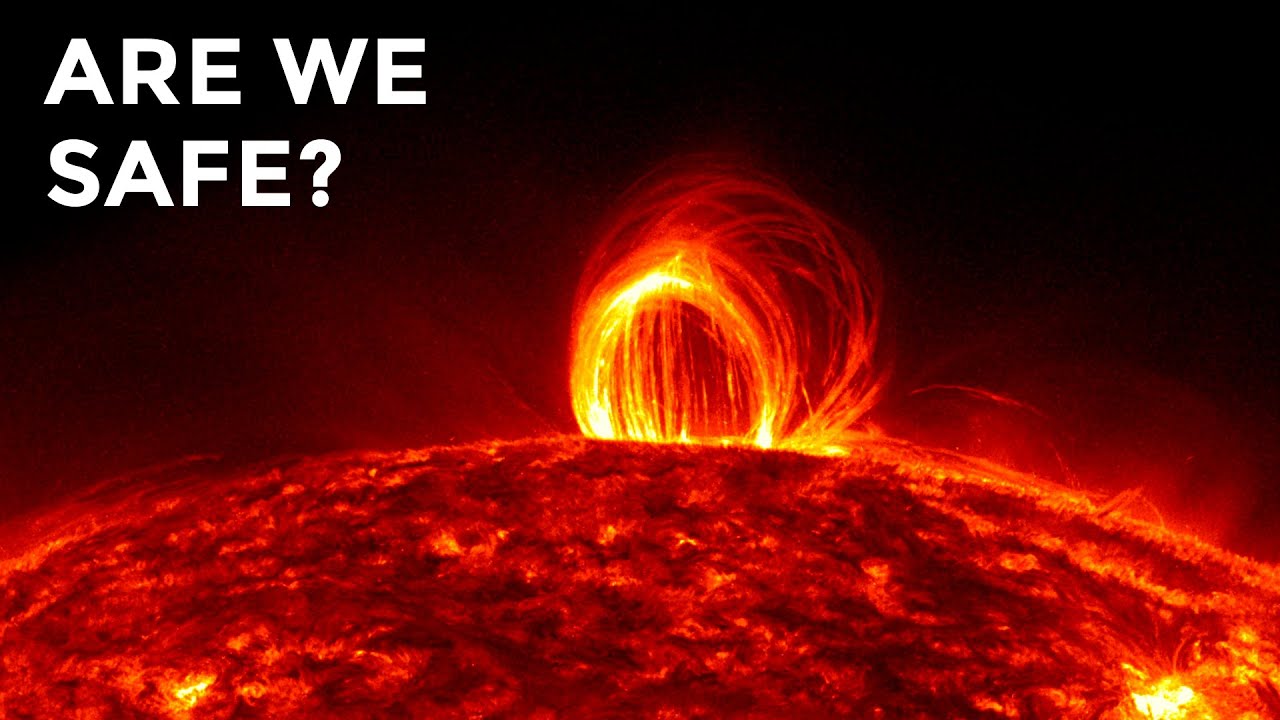
What Is A Solar Flare? Here's Everything You Need To Know, 2025 jul 04 0030 utc. Solar flares are powerful bursts of energy.

In beeld zonnevlammen Scientias.nl Solar flare, Space videos for, Nasa’s solar dynamics observatory, which watches the sun constantly, captured an image of the event. The first solar eclipse of 2025 occurred on april 8, 2025.
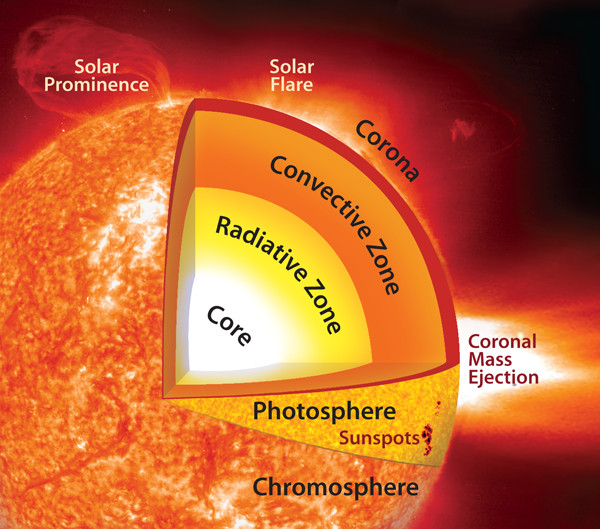
The Sun just put out a pretty strong solar flare Popular Science, Due to its location, any cme associated with this flare will likely not have any geomagnetic impacts on earth. Active region 13615 (center right limb) launches an m9.4 class flare.

Institute for Solar Physics Archives Universe Today, This solar flare is the largest of solar cycle 25 and is classified as an x8.7 flare. • m1.1 at 19:38 utc on july 7, 2025, from se limb
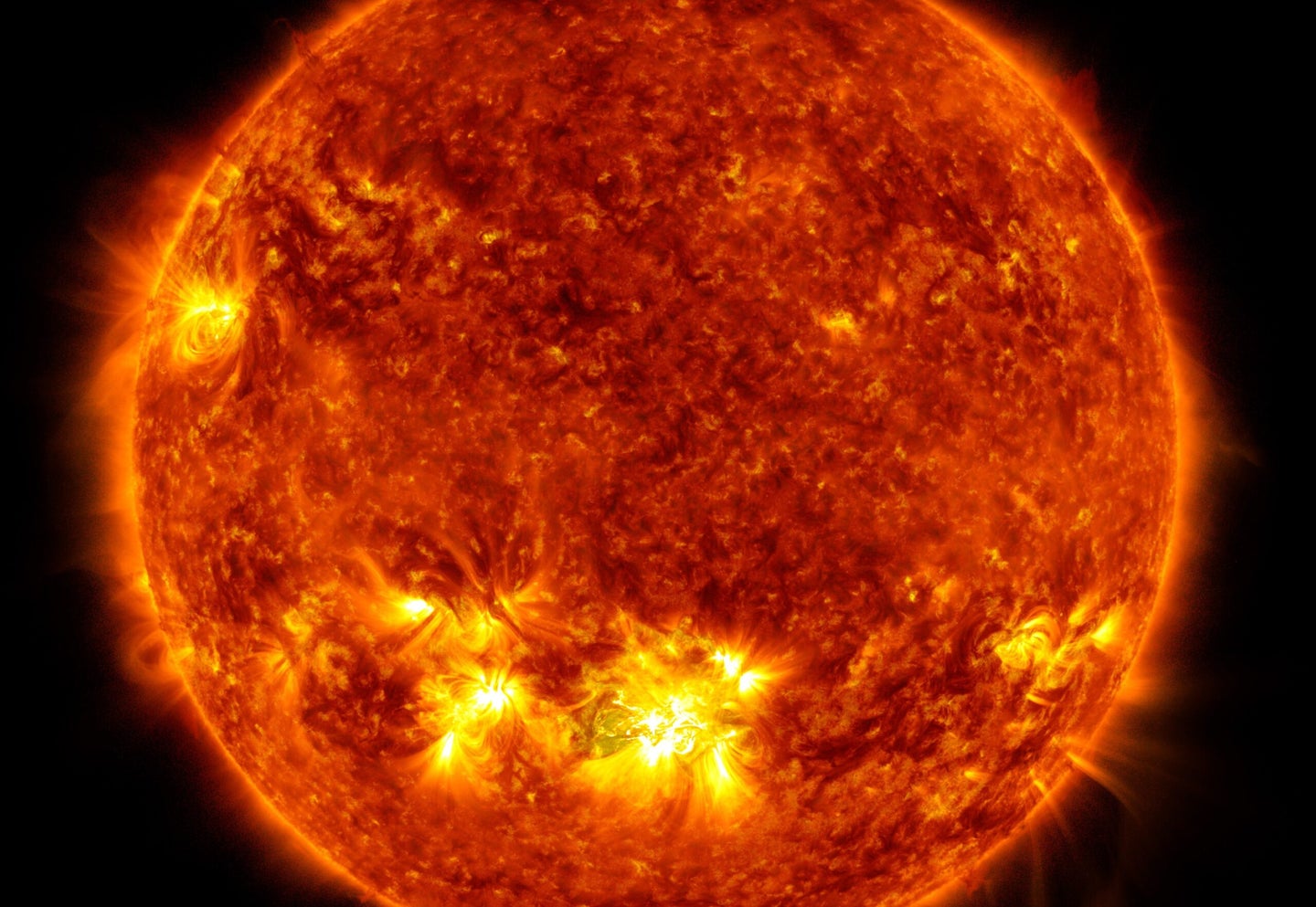
Additionally, a surge of extremely hot plasma, known as a coronal mass ejection (cme), raced toward earth resulting in geomagnetic storms and auroras.
